Monday, December 18, 2017

NB2 18/12/17

p. 35

a game of tennis
to arrange to  play tennis
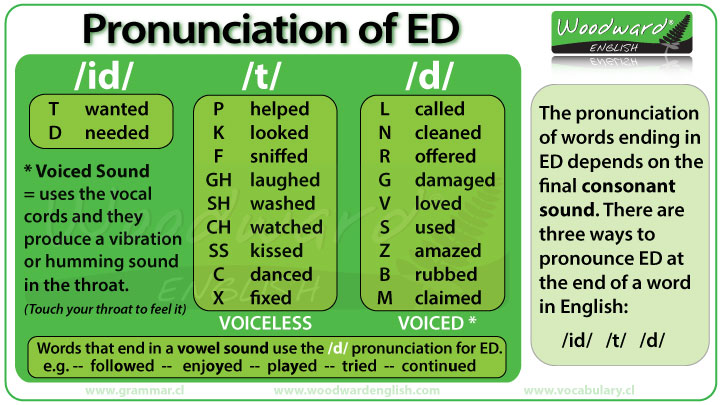
/t/
dance /dæns/,
kiss /kɪs/ , miss
mix /mɪks/,
surf /sɜːf $ sɜːrf/ 
cough /kɒf / 
push /pʊʃ/
punch /pʌntʃ/ 
park /pɑːk/ 

stop /stɒp/
/d/
use /juːz/


nap /næp/ UK  US  sustantivo
siesta
to take a nap dormir la siesta , echar una cabezada

siesta /siˈestə/ noun [countable] 
a short sleep in the afternoon, especially in warm countries
take/have a siesta
- The stores all close after lunch when everyone takes a siesta.

TV series

She went with her family to their country house


p. 36


season /ˈsiːzən/ UK  US  sustantivo & verbo
 •  sustantivo
1 estación [del año]

capital /ˈkæpɪtl/ UK  US  sustantivo &  adjetivo
 •  sustantivo
1  (también capital city) capital
2  (también capital letter) (letra) mayúscula

Today is Monday the eighteenth of December, 2017
Today is Monday 18th December, 2017


October 19th, March 8th, November 2nd, June 24th, the 3rd Monday in January.


My birtday is on December the 18th / on the second Monday in December.

NA2 18/12/17


NA2
Writing activity p. 41done as an interaction in class. Tomorrow we’ll do a correction activity with the tests.

OUT OF:
Hands, blue, order, date, time, luck

out of the blue
informal if something happens out of the blue, it is very unexpected → a bolt from/out of the blue at bolt1(3)

be out of order
a) if a machine or piece of equipment is out of order, it is not working
- The phone is out of order again.

out-of-ˈdate ●○○ adjective 
1 if information is out-of-date, it is not recent and may no longer be correct SYN outdated
- The information in the tourist guide is already out-of-date.
► see thesaurus at old-fashioned
2 if something is out-of-date, it is no longer considered useful or effective, because something more modern exists SYN outdated
- Their manufacturing methods are hopelessly out-of-date.
3 an official document that is out-of-date cannot be used because the period of time for which it was effective has finished → invalid
- an out-of-date passport

be out of luck
to be prevented from getting or doing something by bad luck

- The team were out of luck again at Scarborough on Saturday.

NB1 18/12/2017

+ -> positive
- -> negative

p.127

2Ca
Turn on, don’t speak, go, don’t read, have, be, take, park

2Cb
Let’s go, Let’s turn off, Let’s sit down, Let’s close, Let’s stop

Let’s go for a walk later
Let’s have / drink a coffee
Let’s go for a beer / coffee
Let’s go to bed / bar / a café / the cinema

p. 18

What’s, she’s, is he, aren’t, I am, her, Our, watches, an umbrella, women, these, difficult exercises, be, don’t eat, let’s.

He is German
Is he German?
Where is he from?

aren't /ɑːnt/ UK  US
 •   contracción de are not
 •   contracción de am not
 ▶ aren't  en el sentido de  am not  se usa en preguntas, p. ej.:  I am your friend, aren't I?

they're /ðeə/ UK  US   contracción de they are

library-> biblioteca
book shop-> librería

from, to, in, at, off

read, work, stand, open, answer.

File, Chinese, France, Ireland, sixteen, Italy, purse, school, wallet, happy

Bad, cheap, clean, short, full


vice versa /vaɪs ˈvɜːsə/ UK  US  adverbio

viceversa


purse /pɜːs/ UK  US  sustantivo & verbo
 •  sustantivo
1  BrE monedero, cartera

wallet /ˈwɒlɪt/ UK  US  sustantivo
cartera, billetera


Thursday, December 14, 2017

NI2 14/12/17

p. 150
be/keep/stay etc in touch (with something)
to have the latest information or knowledge about something
 A regular newsletter keeps people in touch with local events.
- The speech was good and you felt he was in touch with people’s needs.
- Rescuers were kept in touch through radio links.
- A head-teacher needs to remain in close touch with teachers’ everyday concerns.

aˈpart from (also aside from American English) preposition 
1 except for
- We didn’t see anyone all day, apart from a couple of kids on the beach.
- Apart from the ending, it’s a really good film.
2 as well as
- Apart from his earnings as a football coach, he also owns and runs a chain of sports shops.
- Quite apart from the cost, we need to think about how much time the job will take.

last ●●● S1 W1 adverb  1 most recently before now → next 
When I last saw her, she was working in New York.

propose /prəˈpəʊz/ UK  US  verbo
1  [transitivo] proponer
2 to propose (to sb) proponer(le) matrimonio (a alguien), pedir(le) la mano (a alguien)


also /ˈɔːlsəʊ/ UK  US  adverbio
1 también
We also visited the museum.
También visitamos el museo.
He can also play the piano.
También sabe tocar el piano.
 ▶ also  va antes del verbo principal y después del primer modal o auxiliar, si los hay. Ver además la nota en también
2 además
It's raining. Also, I don't have enough money.
Está lloviendo. Además, no tengo bastante dinero.

as well as conj  (in addition to)   además de loc prep
-   Our neighbour brought cake as well as juice for everyone.
 -  El vecino trajo tortas, además de jugo para todos.
-   I will invite my friends as well as my family.
-   As well as speaking four languages, my sister is a great athlete.
-   This is developing an effective relationship among all the companies, as well as improving communication.

wage /weɪdʒ/ UK  US  sustantivo & verbo
 •  sustantivo
 (también wages) salario, sueldo
¿wage o salary?
a wage se paga por hora, día o semana, normalmente a cambio de trabajos manuales, mientras que  a salary, se paga mensualmente por el ejercicio de profesiones liberales y de tipo administrativo.


F, c, g, a, d, e, b

He puts me to the test
Whenever I can

sensible /ˈsensəbəl/ UK  US  adjetivo
1  sensato -a [persona, decisión]

I think the same as Rubén

I started a new job last week, but I’m also moving house.
I’m studying a lot, as well as (I’m) training hard for a marathon.
My brother is living with me at the moment, so I’m busy looking after him too.
Apart from helping to organise..., I’ve been busy at work.
As well as going to Germany on holiday, I went to Sweden for a conference recently.
Quite a lot of bad things have happened, so I have some good news too.

Can I come too?
 ‘I’m feeling hungry.’ ‘Me too.’
 It’s a more efficient system and it’s cheaper too.

GRAMMAR: Word order
• Too is usually used at the end of a sentence or clause:
He was a teacher too.
• In more formal English, too is also used near the beginning of a sentence, after the subject, or after an adverb or phrase:
We too must play our part.
Here, too, there are problems with the economy.


Homework: write a letter to an imaginary friend / relative in England and tell him / her about your life, follow the model on p. 150. (Max. 150 words)

NA2 14/12/17

p. 42
information on the windscreen
of the cockpit.
Situated documentaries
Stories about the previous building and its history.
Asylum

blue‧print /ˈbluːˌprɪnt/ noun [countable] 
1 a plan for achieving something
blueprint for
 a blueprint for health-care reform
2 a photographic print of a plan for a building, machine etc on special blue paper
blueprint for
 a blueprint for the new shopping mall
3 technical a pattern that all living cells contain, which decides how a person, animal, or plant develops and what it looks like
- By changing the tomato’s genetic blueprint, scientists can alter the rate at which it ripens.

pedestrian adjective 
1 ordinary and uninteresting and without any imagination
 a painting that is pedestrian and unimaginative
 a rather pedestrian student

re‧quest /rɪˈkwest/ ●●● S3 W2 noun [countable] 
1 a polite or formal demand for something
request for
 They have made an urgent request for international aid.
request from
 requests from customers for more information
request that
 Anderson repeated his request that we postpone the meeting.
at somebody’s request (=because someone asked for it to be done)
- The study was done at the request of the Chairman.
on request (=if you ask for it)
- Further details will be sent on request.
by request
- There were no flowers at the funeral, by request.

faint /feɪnt/ ●●○ adjective 
1 difficult to see, hear, smell etc
 She gave a faint smile.
 a very faint noise
 the faint light of dawn

(just) out of interest/as a matter of interest
spoken used to say that you are asking a question only because you are interested and not because you need to know
- Just out of interest, how much did they offer you?

drop somebody a line
informal to write a short letter or email to someone
- Drop me a line and let me know how you’re getting on.

pop in/out/by etc
GO QUICKLY [intransitive always + adverb/preposition] spoken to go somewhere for a short time
- Why don’t you pop by the next time you’re in town?
- I need to pop into the drugstore for a second.
pop round British English
 Could you pop round to the shop for some bread?

cartridge /ˈkɑːtrɪdʒ/ UK  US  sustantivo
cartucho

be out of your depth
a) to be involved in a situation or activity that is too difficult for you to understand or deal with
- I felt completely out of my depth at the meeting.
b) British English to be in water that is too deep for you to stand in

purchase /ˈpɜːtʆɪs/ UK  US  verbo & sustantivo
 •  verbo [transitivo] (formal)
 comprar, adquirir
 •  sustantivo
 (formal) compra, adquisición

Homework: write a short email request like those on p. 41, bring it to class on Monday.

save the day
to stop things from going badly and make a situation end successfully 
A local businessman saved the day by donating £30,000 to the school.

call it a dayinformal to decide to stop working, especially because you have done enough or you are tired 

Come on, let’s call it a day and go home.

NI1 14/12/17

p. 24
BY bus, underground, taxi, train, coach, tram, car, bike, motorbike, plane, boat.
ON foot

coach /kəʊtʆ/ UK  US  sustantivo & verbo
 •  sustantivo (plural -ches)
1 entrenador -a
2  BrE autocar
by coach en autocar

railway /ˈreɪlweɪ/ BrE, railroad /ˈreɪlrəʊd/ AmE UK  US  sustantivo
1 ferrocarril
2 línea de ferrocarril
3  (también railway/railroad line, railway/railroad track) vía(s)

vehicle /ˈviːɪkəl/ UK  US  sustantivo
vehículo

zebra /ˈzebrə, AmE ˈziːbrə/ UK  US  sustantivo (plural zebras o zebra)
cebra

ˈtaxi ˌrank, también taxi stand BrE UK  US  sustantivo
parada de taxis

half an hour
an hour and a half

sth-> something

supply /səˈplaɪ/ UK  US  sustantivo, sustantivo plural & verbo
 •  sustantivo (plural -lies)
1 suministro, provisión
2 to be in short supply escasear
Petrol was in short supply.
La gasolina escaseaba.
3 the gas/water etc supply el suministro de gas/agua etc

I’ll need you to pick me up at the bus station.
I want you to help me with the housework.
I’d like you to come with me to the meeting.


shower /ˈʆaʊə/ UK  US  
•  sustantivo
1 (aparato) ducha
2 (baño) ducha
to have a shower BrE , to take a shower AmE ducharse
3 chubasco
scattered showers
chubascos aislados
heavy showers
chaparrones

jazz /dʒæz/ UK  US  sustantivo & verbo
 •  sustantivo
jazz

chess /tʆes/ UK  US  sustantivo
1 ajedrez
We played chess.
Jugamos al ajedrez.


Thought ≠ through


Homework, p.25, 2c

Wednesday, December 13, 2017

NB2 13/12/17

Homework: p. 150 writing activity: forms
pip‧er /ˈpaɪpə $ -ər/ noun [countable]  someone who plays a pipe or the bagpipes
Examples from the Corpus

p. 33


annoyed /əˈnɔɪd/ UK  US  adjetivo
enfadado -a, molesto -a
What's he so  annoyed about?
¿Por qué está tan enfadado?

sightseeing /ˈsaɪtsiːɪŋ/ UK  US  sustantivo
 visitas a lugares de interés turístico
to go sightseeing ir a visitar lugares de interés turístico

The last weekend
Be cold ≠ have a cold
show somebody around (something) (also show somebody round (something) British English) phrasal verb
to go around a place with someone when they first arrive there, to show them what is interesting, useful etc
- Harrison showed her around the house.

Nothing much-> no gran cosa

I passed-> spent 5 days there

I made a machine to cut wood


godmother /ˈgɒdmʌðə/ UK  US  sustantivo
madrina

bull‧ring /ˈbʊlˌrɪŋ/ noun [countable] 
the place where a bullfight is held


Prefer-> preferred


p. 35

Cook, stay, play, watch, go, do, have, be, come.

Had breakfast / lunch / dinner, went, watched, was, came, got, spent


headache /ˈhedeɪk/ UK  US  sustantivo
dolor de cabeza

documentary /ˌdɒkjʊˈmentri/ UK  US  sustantivo &  adjetivo
 •  sustantivo (plural -ries)

documental

NA2 13/12/17

rope/rəʊp $ roʊp/ ●●● S3 W3 noun 
1 rope.jpg [countable, uncountable] very strong thick string, made by twisting together many thinner strings
- They tied a rope around my waist and pulled me up.


p. 43

aug‧ment /ɔːɡˈment $ ɒːɡ-/

head‧set /ˈhedset/ noun [countable]  ldoce_151.pnga set of headphones, often with a microphone attached

cock‧pit /ˈkɒkˌpɪt $ ˈkɑːk-/ noun [countable] 
1 ldoce_262.png the area in a plane, small boat, or racing car where the pilot or driver sits

a‧sy‧lum /əˈsaɪləm/ ●○○ noun 
1 [uncountable] protection given to someone by a government because they have escaped from fighting or political trouble in their own country
apply for/seek/be granted asylum
 He has been granted asylum in France.
→ political asylum
2 [countable] old use a mental hospital


Computer science students, integrated, see (on display), outdoors, would be very good, Bloomingsday asylum, direction.

NB1 13/12/17

p.16

A boy and a girl

trip /trɪp/ UK  US  sustantivo & verbo
 •  sustantivo
viaje
to go on a trip irse de viaje

family /ˈfæmli/ UK  US  sustantivo (plural -lies)
1 familia
family name apellido

surname /ˈsɜːneɪm/ UK  US  sustantivo
apellido


holiday /ˈhɒlɪdeɪ/ UK  US  sustantivo
1 (día de) fiesta, (día) festivo
public holiday fiesta nacional
to be/go on holiday estar/irse de vacaciones

summer holiday (song)

before ≠ after

turn /tɜːn/ UK  US  verbo & sustantivo
 •  verbo
1  [intransitivo] volverse
She turned to speak to me.
Se volvió para hablarme.
I turned away so she couldn't see my face.
Me di la vuelta para que no me viera la cara.
2  [transitivo] volver, girar
The dog turned his head toward the sound.
El perro volvió la cabeza hacia el lugar de donde venía el sonido.


slow /sləʊ/ UK  US  adjetivo & verbo
 •  adjetivo
1 lento -a
a very slow process
un proceso muy lento
slow down phrasal verb, también slow up
  reducir la velocidad, aminorar la marcha

Phrasal verbs:
sit down
turn on / off the lights
slow down

dangerous /ˈdeɪndʒərəs/ UK  US  adjetivo
 peligroso -a


know /nəʊ/ UK  US  verbo (pasado knew, participio known)
1  [transitivo/intransitivo] saber
He  knows  a lot  about  cars.
Sabe mucho de coches.


driver /ˈdraɪvə/ UK  US  sustantivo
conductor -a, chófer
The driver of the vehicle was killed.
El conductor del vehículo murió.
a lorry/taxi driver
un(a) camionero -a/taxista

careful /ˈkeəfəl/ UK  US  adjetivo
1 cuidadoso -a, prudente
to be careful with/about sth tener cuidado con algo, ser cuidadoso -a con algo
Be careful!!!
terrible /ˈterəbəl/ UK  US  adjetivo
1  horrible, tremendo -a
She still has terrible nightmares.
Sigue teniendo unas pesadillas horribles.
2 pésimo -a, espantoso -a
I'm a terrible cook.
Soy un pésimo cocinero.

ˈair conˌditioning UK  US  sustantivo
aire acondicionado

here you are/here you go
to give something to someone 
Here you are, a glass of water. 


soon /suːn/ UK  US  adverbio
1 pronto
They'll arrive soon.
Pronto llegarán.
▶ let's, la contracción de  let us, se usa para hacer propuestas o exhortaciones. La forma negativa es  let's not. En inglés británico también se usa  don't let's
Are you ready? Ok, let’s go.
It’s very hot, let’s open the windows.

Service station-> gasolinera / estación de servicio

Give-> dar


quiet /ˈkwaɪət/ UK  US  
be quiet! ¡cállate!/¡callaos!
Shut up!

Are we there yet?-> ¿Hemos llegado ya?
How much further?-> ¿Cuánto falta?

Far-> lejos
Now-> ahora

We are here-> Ya estamos

great /greɪt/ UK  US  adjetivo
1  (informal) genial, fantástico -a
It is great to see you again.
Es genial volver a verte (de nuevo).


sign /saɪn/ UK  US  sustantivo & verbo
 •  sustantivo
1 señal, indicio
Tiredness can be a sign of illness.
El cansancio puede ser señal de alguna enfermedad.
2 letrero, señal [de tráfico]

Come on-> vamos

Ma’am-> señora
Double room
No reservation hotel room
Is this your car?
Can I see your driving license?


Turn right-> don’t turn right
Don’t park here-> park here

Homework, p. 127 (Grammar bank), 2C a and b

Turn on the radio.
Let’s see Jimmy’s café.
Stand up, please.
Let’s open the window.
Look at these photos.
Don’t open the door.

Song:

Run-walk, worry-go, come-stay, beautiful-wonderful, up-down, girl-baby, here-now.